26 August 2026
Using farming skills to change lives
Meet Principal Instructor Robert
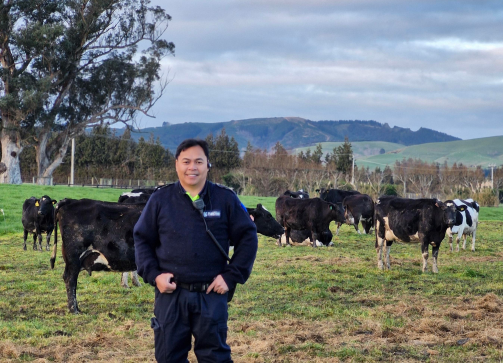
Before joining Corrections, Robert spent nearly 20 years working in the dairy industry. Using his degree in agriculture, he progressed from farm assistant to management roles, working across Southland, Canterbury and Otago after moving to New Zealand in 2010.
“I saw this advertisement looking for a farming instructor at Otago Corrections Facility. I thought to myself - I’ve already got the knowledge, so why not share my skills with the people in prison. It’s a good opportunity to make a difference in the community.”
A different world
“When I got to the prison, it was totally different to the world that I was used to; I saw the men in the unit with intimidating tattoos. But at the end of the day, I knew this was the job I wanted – I wanted to be a positive influence.”
Robert’s family was initially concerned about his career change, worrying about his safety working in the prison.
“I explained that I'd be trained in how to protect myself and that I wouldn’t be signed off until I was really, really ready. And now, two years later, I’ve learned so many valuable things, and met people from all over the world.
“I learned in the training how to read people, how to assess them, and how to manage escalation – not physically, but through words. I’ve never done things like that before. In my early years of farming, I normally talked to animals – not people. But now I’m dealing with people from so many different backgrounds, and I’m developing new skills every day.”
Instructors are initially trained as corrections officers as their role straddles both custodial and mentoring responsibilities. During the Custodial Core Learning programme, they learn safety, legislation, and how to apply their training to their day-to-day role at the prison.
“The priority in my role is custodial, because that’s for everyone’s safety. Farming is my passion, and I make sure each day that the men are learning something, but it’s a balance. I need to monitor but at the same time, show them trust as well. As an instructor, I’m here to be a role model.”
A career with purpose
“Some of the men have never seen a cow before.”
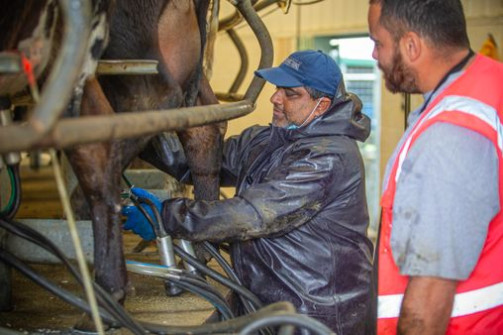
The men in custody at Otago Corrections Facility have the option to be hands-on at the prison farm. Those that have shown interest or an aptitude for farming are taught a range of skills, including stock management, husbandry, milking, fencing, and soil management.
Robert shows them how to deal with bulls or sick animals, feed the babies, operate a tractor, and feed on a budget. The learning gives them the opportunity to pick up skills that might help them once their sentences end. As the men are participating by choice, they are motivated to learn from the instructors.
“It’s satisfying to teach the men something that they could use one day when they leave the prison, something that might help them when looking for a job. It’s rewarding for me to see them progressing and adapting these kinds of skills.”
A typical day as a farming instructor begins with a briefing, outlining what they need to do that day.
“We milk the cows – this is a daily job. After that, we offer some training to the men, as well as assessment training to get them ready for the different modules. It’s a lot of communication to both our staff and the people in prison.”
A better work-life balance
Instructors work on rostered rotating shifts including nights, weekends and public holidays. While this might be a challenge, coming from a career such as farming, it can offer a relief to the long hours and constant pressure.
“Before I would get stuck at the farm, because the cows had to be milked; had to get fed. But here, it’s a very simple operation. Not all the staff are farmers, but there’s always a contingency plan – and if something goes wrong it doesn’t fall only on me. It's totally changed my daily life since I started working at Corrections, because I have more time now for my family, and I can plan ahead. I can do more DIY at home and explore more hobbies like fishing and hunting.”
Advice for future instructors
The ideal individual for an instructor role is someone who is passionate about their industry, with plenty of experience. You need to be adaptable, flexible, and empathetic.
“Many people don’t realise how wide-ranging Corrections is, with so many different roles for people from all backgrounds and with different skills. I am fortunate that there is a role that aligns my passion and purpose. That sense of purpose is what makes working for Corrections so rewarding.
“As many people know, Corrections is an organisation driven by strong values, purpose and a commitment to helping people make positive changes. This work we do here is only possible through great teamwork, and it’s a privilege to be part of that journey, and to contribute through the dairy industry and training opportunities we provide.”
Ready to make a move?
Start your journey - check out the a list of our current opportunities then apply online today!